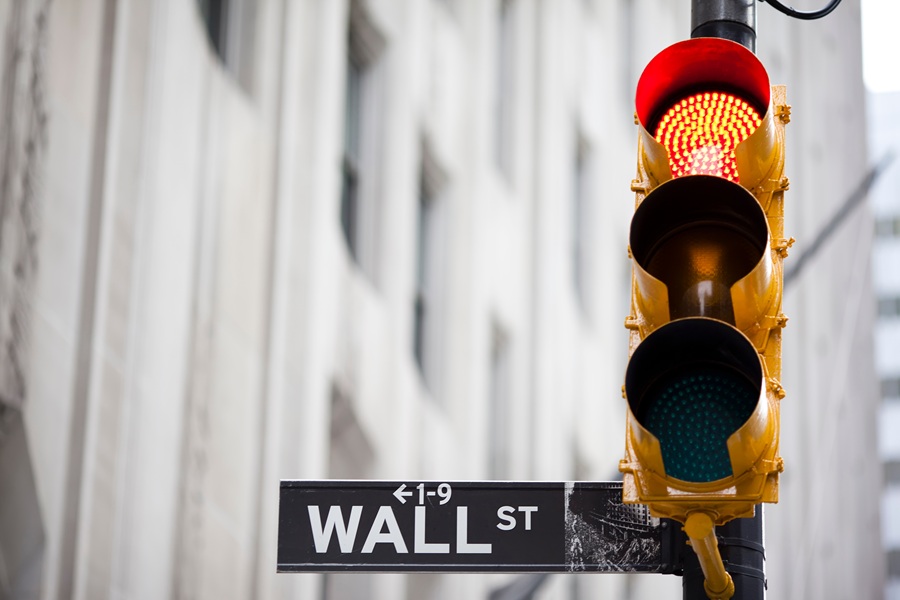
Global markets continue to search for anything they can grasp onto that points to possible signs of progress on global trade tensions, and by anything, we do mean ‘anything’ – truth social posts, X posts, this person heard from this person something tangible. It shows just how volatile this current market really is that inuendo and whim is being treated as fact.Back in the ‘tangible’ real world, the other white knight that is being watched ever closely is some form of possible policy backstop from central banks - Particularly the Federal Reserve. Considering the President’s consistent input here that US rates should be lower either through a post or a media rant, so far this has not moved the Fed one inch.While the recent 90-day tariff pause from Liberation Day has provided a temporary market reprieve, the underlying trade tensions, especially between the U.S. and China, remain largely unresolved. In fact, we would argue they are only getting stronger as nations and blocs are now looking to each other to offset the US trade impasse.China remains the most consequential player in this landscape, and despite the pause, the effective U.S. (weighted-average) tariff rate on goods has only fallen modestly, just 3%, from a 24% peak to 21% year-to-date.Beijing appears to be holding the ‘better hand’ currently; the additional back down from Washington with its ‘exemption’ on electronics is case in point. Just take Apple as the example, down over 23% since its peak in December last year, and it is the poster child for the full impact of Trump’s program. This back-down is showing just how much strain the US is experiencing with Beijing playing hardball.Think about it: a US$3,000 iPhone versus a Samsung that, even with tariffs, could be as much as 20% less for the US consumers. That’s a killer for the Silicon Valley Titan and Trump’s plan on the whole.This just shows the structural nature of the U.S.-China trade imbalance and the scale of bilateral tariffs already in place.As negotiations remain tentative and tensions persist, the market is left navigating a landscape shaped by potential escalation, geopolitical signalling, and the lingering question of whether or even what policymakers will/can do if economic or market stress intensifies.China: Market KingmakerAs mentioned, the modest drop in the effective tariff rate even after a 90-day pause highlights the entrenched nature of the dispute. The sheer scale of U.S.-China trade means that even minor changes have significant global implications. While no breakthrough appears imminent, traders and investors alike continue to watch for any sign of constructive engagement – which currently does not exist, if we are honest.Any sign of negotiation could take place, or even if there is a modest de-escalation, it could trigger a risk-on response across asset classes as seen in the final part of the week beginning 7 March 2025. This is why China is now the market kingmaker – it is currently holding firm on ‘escalating’ when responding to Washington’s moves.The indicator we all need to watch for around US/China relations is US Treasury Bonds. Any sign that Beijing is turning from escalation to de-escalation should produce a rally sharply here as market flows have been dominated by heightened cash preference as persistent stagflation concerns, coupled with recession risks.Where’s the Fed at?Will the Federal Reserve step in to support markets? The better question is, can it step in? From a traditional standpoint with rate cuts – no. However, there are other mechanisms like exemptions to the Supplementary Leverage Ratio (this is the amount of tier one capital required to be held at US banks), which was temporarily introduced during the 2020 pandemic crisis. A repeat of that policy would increase the banking system’s capacity to absorb government bonds without triggering capital constraints.More aggressive tools, such as direct purchases at the long end of the U.S. yield curve, are considered much less likely in the current macro environment, and Fed officials have been cautious in their recent commentary around this idea.Realistically, there are limited signs of funding stress and a relatively high threshold for intervention; the probability of a "Fed put" being activated near-term appears low to non-existent. This means the Fed is just as much a spectator as we are.The FX flowWith US exceptionalism now on the blink, the broader trend of US dollar weakness is expected to persist, but the weak spots may change.Rather than concentrating on current account surplus currencies such as JPY and CHF, the weakness may broaden out to risk-sensitive FX like AUD, NZD, and CAD. Just take a look at the bounce back in AUDUSD at the backend of the 7 March week’s trading – a 3.8% jump in 2 days is unheard of.The euro is expected to perform well across both “risk-on” and “risk-off” tariff scenarios, driven by long-term capital reallocation and structural factors within the euro area.We need to highlight Japan and South Korea – both nations have shown signs they are willing to engage with Washington, and the response from the market was huge. More importantly, the administration has responded positively. This puts JPY and KRW in a more positive light than peers, and they would be wary of being exposed as a deal would put them into upside air very quickly.Outlook: Cloudy but clearing – chance of tariff showers later in the week.Markets remain in a holding pattern, waiting for clearer signals on trade policy.The recent softening of rhetoric from the U.S., particularly in response to financial market volatility, suggests some room for constructive negotiations—especially with countries outside China.The 90-day pause has provided some breathing space, but it will need to be followed by tangible progress if market sentiment is to turn, and on that metric, the outlook is still cloudy but clearing. Yet tariff risks retain high later in the period as the 90-day period looks to expire and specific tariffs (healthcare, electronics, etc) get announced.

Reportingdates and release times are based on company investor relations calendars whereconfirmed. Where dates or times are not marked confirmed, they are GO Marketsestimates. Consensus EPS, revenue and analyst-range data are sourced fromBloomberg and Earnings Whispers, as at 09 July 2026 (AEST). Company guidance,backlog and operating metrics are sourced from the latest company filings orresults presentations, unless stated otherwise. Any scenario analysis reflectsGO Markets analysis. Figures and schedules may change without notice.
The information provided is of general nature only and does not take into account your personal objectives, financial situations or needs. Before acting on any information provided, you should consider whether the information is suitable for you and your personal circumstances and if necessary, seek appropriate professional advice. All opinions, conclusions, forecasts or recommendations are reasonably held at the time of compilation but are subject to change without notice. Past performance is not an indication of future performance. Go Markets Pty Ltd, ABN 85 081 864 039, AFSL 254963 is a CFD issuer, and trading carries significant risks and is not suitable for everyone. You do not own or have any interest in the rights to the underlying assets. You should consider the appropriateness by reviewing our TMD, FSG, PDS and other CFD legal documents to ensure you understand the risks before you invest in CFDs.